Today, January 15, 2026, has emerged as one of the most volatile and news-heavy days of the young year. The world is witnessing a dramatic convergence of aggressive geopolitical maneuvers, a radical shift in American immigration enforcement, and a historic milestone in the commercialization of space. As the sun sets on Washington and capitals across the globe, the international order appears increasingly fragmented yet technologically advanced.
The U.S. Hardline: Naval Blockades and Visa Restrictions
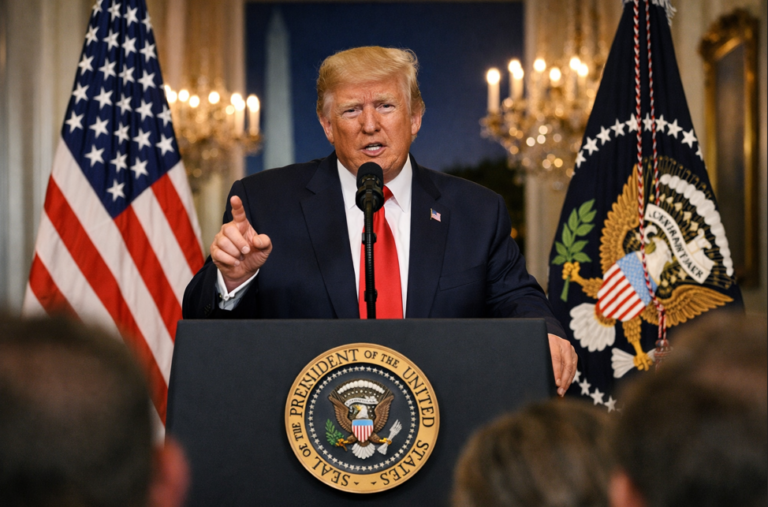
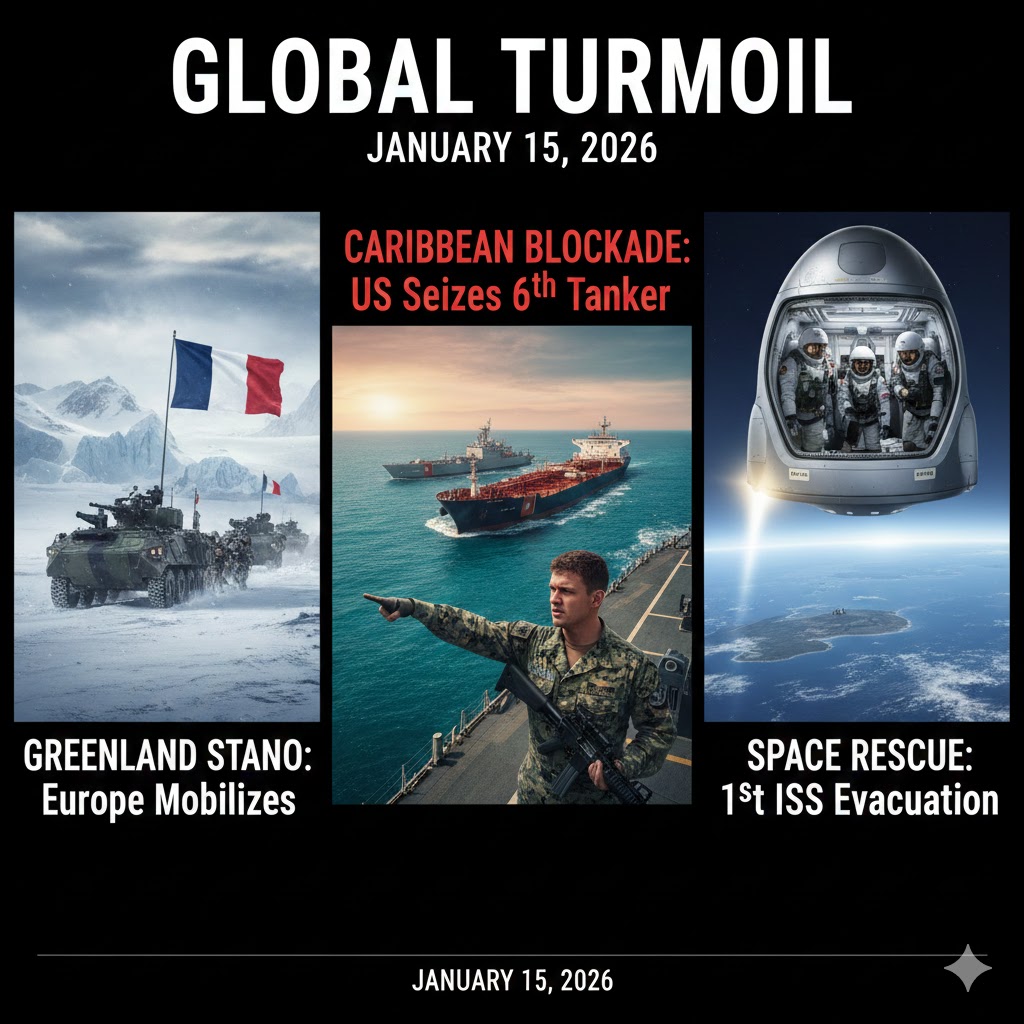
In Washington, the administration has taken its most decisive step yet in the ongoing campaign to economically isolate the Venezuelan government. In the early hours of the morning, U.S. Navy assets, supported by Coast Guard cutters, intercepted and seized the tanker “Veronica” in the Caribbean Sea. Sailing under the Guyanese flag, the vessel is the sixth to be confiscated since the blockade was initiated to halt the export of sanctioned Venezuelan crude oil. This tactical escalation coincided with a high-profile meeting at the White House between the American leadership and Venezuelan opposition figure María Corina Machado, signaling a total commitment to regime pressure in Caracas.
Simultaneously, the State Department sent shockwaves through the diplomatic community by announcing a massive overhaul of immigration policy. Effective next week, the United States will officially suspend the processing of all immigrant visas for citizens of 75 nations. The list primarily targets countries across Latin America, the Caribbean, Africa, and parts of the Middle East. While the administration cites national security and the need to relieve pressure on the domestic social safety net, the move has already drawn sharp rebukes from the United Nations and various international humanitarian organizations.
The Greenland Standoff and the European Rift
Across the Atlantic, tensions regarding the status of Greenland have reached a boiling point. Following a breakdown in negotiations between the U.S., Denmark, and local authorities in Nuuk, French President Emmanuel Macron announced the deployment of additional military assets to the island. This deployment, coordinated with select NATO allies, is intended to “safeguard Danish sovereignty” against what Paris describes as American territorial ambitions. This standoff highlights a profound schism within the Western alliance, as Denmark and France insist that Greenland is not for sale, while Washington continues to exert pressure to expand its strategic footprint in the Arctic.
History in Orbit: The First Medical Evacuation from the ISS
Beyond the atmosphere, a new chapter in the history of space exploration was written today. NASA and its commercial partners successfully completed the first-ever emergency medical evacuation from the International Space Station (ISS). Four astronauts from the “Crew-11” mission returned to Earth over a month ahead of schedule, splashing down safely in the Pacific Ocean off the coast of California. While specific details regarding the health status of the crew remain confidential, the operation’s success proves that the private-public infrastructure now exists to handle critical medical crises in orbit—a vital prerequisite for future Mars missions.
Economic Signals and Humanitarian Pleas
On the economic front, Wall Street saw a modest rally led by the technology sector, while global oil prices dipped slightly following rumors of a potential de-escalation of internal unrest in Iran. However, the mood was more somber at the World Economic Forum in Davos. UNICEF launched a new global alliance to assist children in conflict zones, warning that over 200 million children worldwide will require humanitarian aid in 2026. The figure serves as a grim reminder of the human cost of the geopolitical friction dominating the headlines.
January 15 has proven that the world is in a state of constant, often turbulent, transformation. From the depths of the Caribbean to the vacuum of space, today’s events lay the groundwork for a complex and unpredictable year ahead.
About the Author