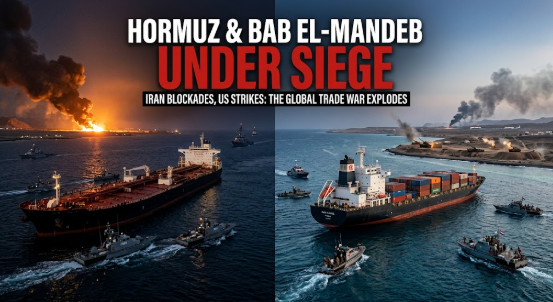
Recent reports and leaked preliminary Pentagon estimates have shed light on the massive financial burden of the ongoing conflict with Iran. According to the leaks, the war is currently costing American taxpayers approximately $1 billion per day.
Key Financial Details
- Daily Expenses: The $1 billion-a-day figure covers direct military operations, but the total could rise significantly if the conflict is prolonged.
- Total Projections: If the war lasts through September 2026, as some military notifications suggest, the total direct cost could exceed $215 billion.
- Economic Impact: Beyond the military budget, economists warn of an additional $115 billion in broader economic losses stemming from energy price shocks, trade disruptions, and financial instability.
- Household Burden: To put these numbers in perspective, analysts note that $1 billion a day equates to roughly $356 a month for an average American family of four.
The $1.5 Trillion Budget Context
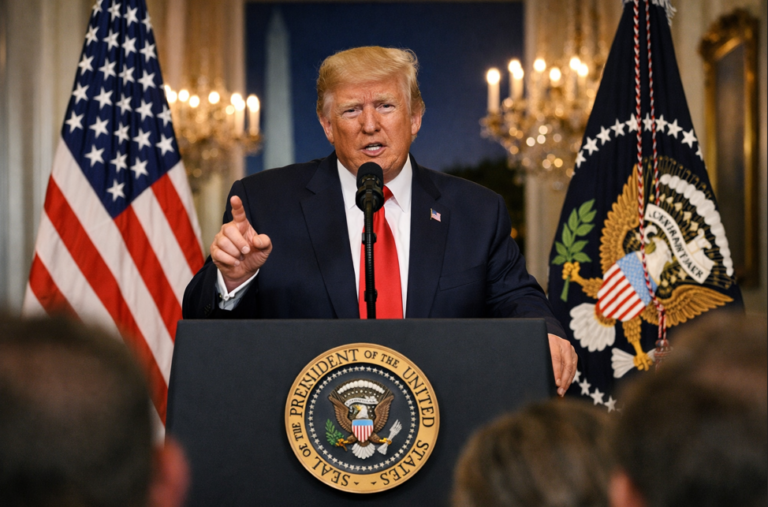
The leak coincides with President Trump’s proposal for a record-breaking $1.5 trillion Pentagon budget for fiscal year 2026. This represents a nearly $500 billion increase over previous years. Critics and budget watchdogs have pointed out several concerns:
- Logistical Challenges: Pentagon officials are reportedly struggling to find ways to spend such a massive influx of cash effectively.
- National Debt: The Committee for a Responsible Federal Budget estimates this spending could add $5.8 trillion to the national debt over the next decade.
- Human Cost: There is growing political friction over prioritizing military spending while domestic programs for healthcare and infrastructure face potential cuts.
The “Signal” Leak Scandal
The “leak” mentioned in various headlines also refers to a major security breach involving Defense Secretary Pete Hegseth. Reports indicate that classified war plans were accidentally shared in a Signal group chat that included a prominent journalist. This breach revealed specific targets and timings for airstrikes, adding a layer of controversy to the administration’s handling of the conflict.
About the Author