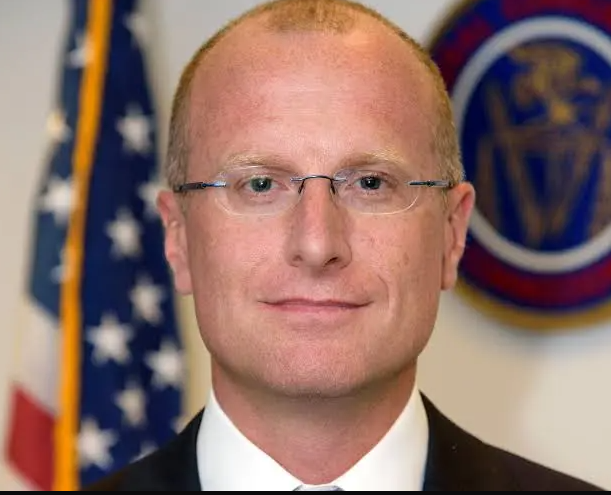
The landscape of American media regulation is facing a significant shift as FCC Chairman Brendan Carr suggested that news broadcasters could see their licenses challenged based on how they report on the ongoing conflict with Iran. This warning follows a series of sharp rebukes from President Trump, who has accused several major outlets of disseminating “fake news” and intentionally misleading the public regarding military outcomes.
The Catalyst: Conflicting Reports on Military Damage
The tension peaked following a specific dispute over the impact of Iranian strikes on U.S. assets in Saudi Arabia. While outlets like The Wall Street Journal reported that five U.S. refueling tankers were damaged, the President countered that the damage was negligible and that the fleet was nearly fully operational.
In a forceful social media statement, Trump labeled journalists from The New York Times and the Journal as “sick and demented,” suggesting that their reporting indicated a desire for the U.S. to fail in the war effort.

Carr’s Warning to Broadcasters
Backing the President’s stance, Chairman Carr utilized his platform to remind broadcasters that their operations are contingent upon serving the “public interest.” He explicitly warned that:
- Stations spreading “hoaxes” or “news distortions” face a high risk during the license renewal process.
- The FCC possesses the legal authority to revoke licenses from those failing to meet standards of accuracy.
- Broadcasters have a narrow window to “correct course” before their regulatory reviews.
Growing Backlash and Censorship Concerns
The Chairman’s comments have ignited a firestorm of criticism from free-speech advocates and political opponents:
- The Foundation for Individual Rights and Expression (FIRE): Public policy director Aaron Terr characterized Carr’s stance as government censorship, arguing that the First Amendment prohibits the state from dictating how a war is covered to suit a political agenda.
- Governor Gavin Newsom: The California Governor condemned the move as “flagrantly unconstitutional,” accusing the administration of using the FCC as a tool to silence dissent or unfavorable reporting.
This controversy follows Carr’s previous calls for media companies to prioritize “pro-America” programming in light of the nation’s 250th anniversary, further fueling the debate over the boundaries between regulatory oversight and editorial independence.
Editor’s Insight: The Shift in Economic Attrition “The defining takeaway from this conflict isn’t just military might; it’s economic sustainability. While the world watches the spectacular interceptions by Patriot missiles, a quiet revolution is happening in logistics. If technologies like Merops can successfully flip the ‘war mathematics’—making defense cheaper than offense—it signals a stabilization of global markets. For the average consumer, this means less volatility in fuel and transport costs, as the threat of ‘cheap terror’ over vital oil routes is significantly neutralized by cost-effective AI countermeasures.”
Source: https://eu.usatoday.com
About the Author