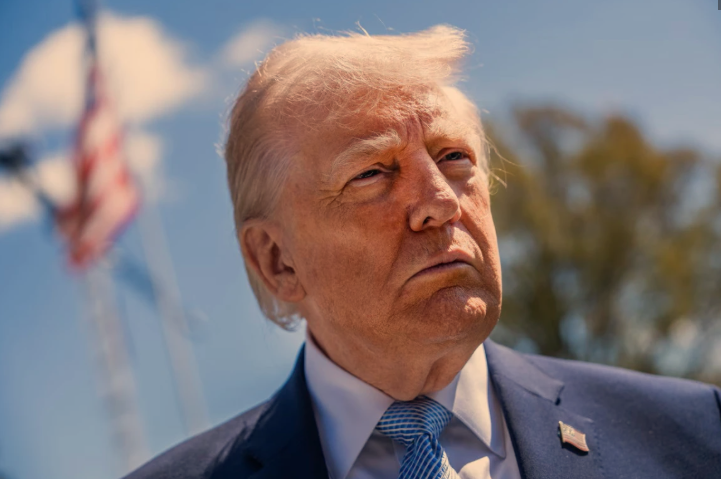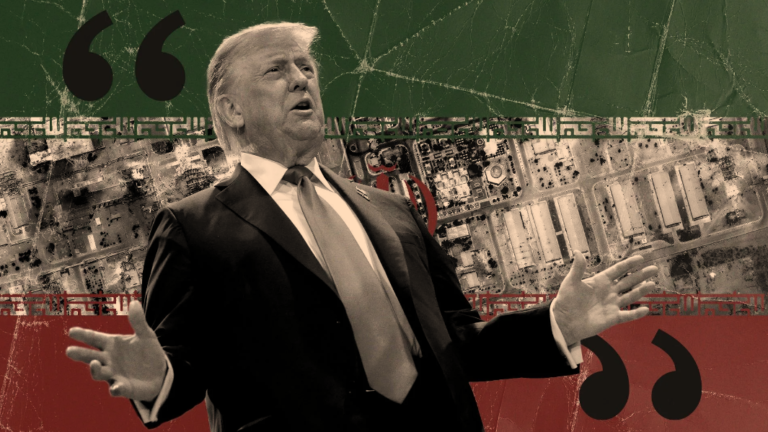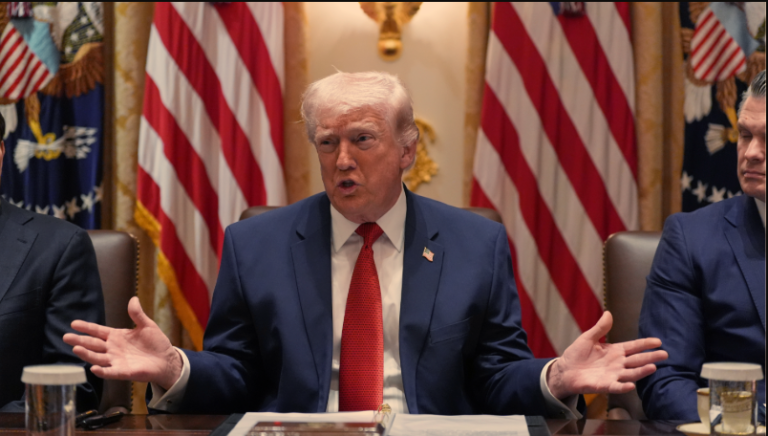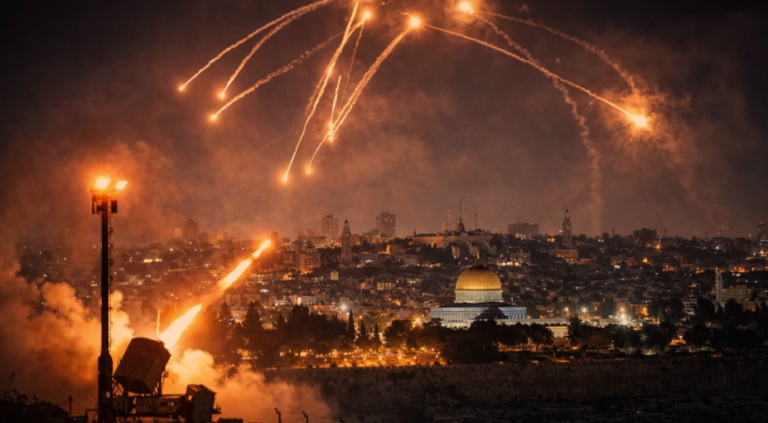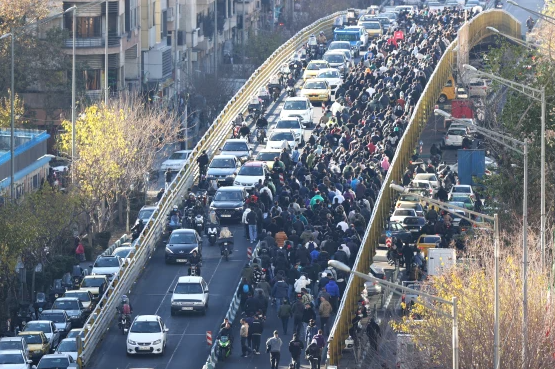
Tensions between Washington and Tehran have escalated sharply following a direct warning from President Donald Trump regarding a potential military intervention. In a post on Truth Social, Trump stated that the United States is “locked and loaded” and ready to act if the Iranian government resorts to killing peaceful demonstrators. His remarks come as economic protests across the Islamic Republic have taken a violent turn, resulting in multiple deaths.
The unrest began last Sunday in Tehran, fueled by a record collapse of the national currency and soaring inflation. However, the demonstrations quickly spread to smaller cities and shifted toward political grievances, with slogans targeting the clerical regime and Supreme Leader Ayatollah Ali Khamenei. Iran’s economy is currently reeling from years of sanctions, a brief but intense conflict with Israel last June, and a severe water crisis that left many areas without service late last year.
The situation on the ground is increasingly volatile. Reports indicate fatalities among both protesters and security forces, with verified footage showing burning police stations and clashes in cities like Azna and Marvdasht. While the civilian government under President Masoud Pezeshkian has signaled a willingness to negotiate and recognized some “legitimate demands,” the military and clerical leadership have taken a much more defiant stance.
Tehran has reacted fiercely to Trump’s threats. Senior officials and parliamentary leaders warned that any U.S. intervention would spark regional chaos and turn all American bases and forces in the Middle East into “legitimate targets.” Iranian authorities have also accused the U.S. and Israel of instigating the unrest, even as they implemented a surprise four-day public holiday in an apparent attempt to clear the streets.
This surge in domestic defiance represents the most significant challenge to the Iranian government since the widespread protests of 2022. With security forces deployed in large numbers and the regime unable to address the underlying economic causes of the anger, observers fear that the cycle of violence may continue to intensify.
Source: https://www.nbcnews.com/
About the Author