Based on the trending reports and escalating tensions as of March 2026, here is a comprehensive news summary written in English.
Gulf on the Brink: Regional Powers Signal Potential Military Shift Against Iran
RIYADH – The geopolitical landscape of the Middle East is shifting from a fragile “cold peace” toward the possibility of a direct conventional conflict. Following a series of what regional leaders call “reckless and systematic” strikes by Iranian-linked forces, a growing consensus among Gulf states suggests that the era of strategic restraint is coming to an end.
The Catalyst: Attacks on Sovereign Soil
Recent reports highlight a significant escalation on March 2, 2026, when drone and missile strikes targeted the U.S. Embassy in Riyadh and the critical Ras Tanura oil refinery. While previous attacks were often attributed to regional proxies, intelligence shared among Gulf Cooperation Council (GCC) members suggests direct involvement or high-level coordination from Tehran.
Saudi Arabia’s Ministry of Foreign Affairs issued a stern warning, stating that the Kingdom “reserves the right to defend its territory and citizens by any means necessary.” This rhetoric marks a sharp departure from the de-escalation efforts seen in previous years.
Military Readiness and Strategic Realignment
According to analysis from the Institute for the Study of War (ISW) and regional defense insiders, several factors indicate a shift toward active military preparation:
- Intelligence Sharing: Unprecedented levels of coordination are reportedly taking place between Saudi Arabia, the UAE, and Western allies to map out Iranian “command and control” centers.
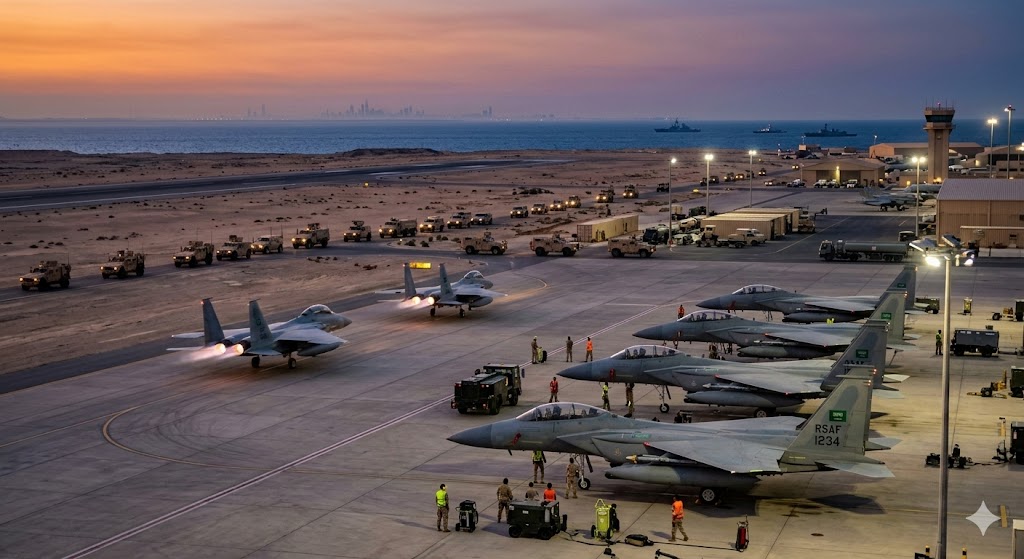
- Air Defense Mobilization: Satellite imagery shows a repositioning of interceptor batteries and offensive strike wings at key airbases in the Eastern Province of Saudi Arabia.
- The End of Neutrality: While Riyadh initially sought to remain neutral in the U.S.-Iran friction, the direct targeting of its energy infrastructure has forced a strategic pivot.
Expert Analysis: “A Point of No Return”
Regional analysts argue that the “tit-for-tat” shadow war is becoming unsustainable. “The Gulf states have spent billions on modernization. They are no longer willing to sit back while their economic hubs are targeted by cheap drone technology,” says one senior Middle East defense consultant.
The prevailing narrative in international media suggests that if a “smoking gun” directly linking the March 2 strikes to Iranian soil is presented, a coalition-led “surgical strike” against Iranian naval or drone facilities may be imminent.
What Happens Next?
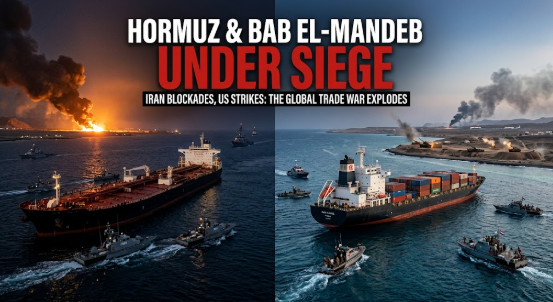
The international community remains on high alert. While diplomatic channels in Muscat and Baghdad remain technically open, the window for a non-military resolution is closing. The global oil market has already begun to price in the risk of a major disruption in the Strait of Hormuz, with Brent crude spiking as the threat of a regional flare-up looms.
About the Author