Imagine waking up at 4:30 AM. Before taking even a single sip of coffee, you measure your heart rate, swallow exactly 54 dietary supplements, and plunge into a tub of ice-cold water until your body shakes uncontrollably. For millions of people in the US and Canada, this isn’t torture—it’s the perfect start to the day.
Welcome to the world of biohacking and the obsession with longevity. No longer just a niche hobby for Silicon Valley tech billionaires, this is now a multi-billion dollar mainstream industry rewriting how North Americans live, eat, and think about aging.
Who is Bryan Johnson and Why is Everyone Talking About Him?
If there is one name that symbolizes this craze, it’s Bryan Johnson—a software multimillionaire in his late 40s who spends over $2 million a year to reverse his biological age.
His project, called “Blueprint,” includes:
- A strict vegan diet of exactly 1,977 calories a day.
- Daily medical tests (ranging from MRIs to advanced blood panels).
- A team of over 30 doctors tracking his every organ.
Johnson claims to have reduced his epigenetic age by a record 5.1 years. While his approach is extreme, it has opened Pandora’s box. Today, everyday Americans and Canadians are trying to achieve similar results on a much more modest budget.
From Ice Baths to Red Light: The New Routine at Home
Walk through the suburbs of Vancouver, Toronto, Los Angeles, or New York, and you will spot strange new gadgets in backyards and bedrooms. What started as a social media trend is now a standard routine.
- Cold Plunges: Portable ice bath sales in North America have skyrocketed by over 300% in recent years. It is believed that the cold shocks the system, reduces inflammation, and boosts dopamine.
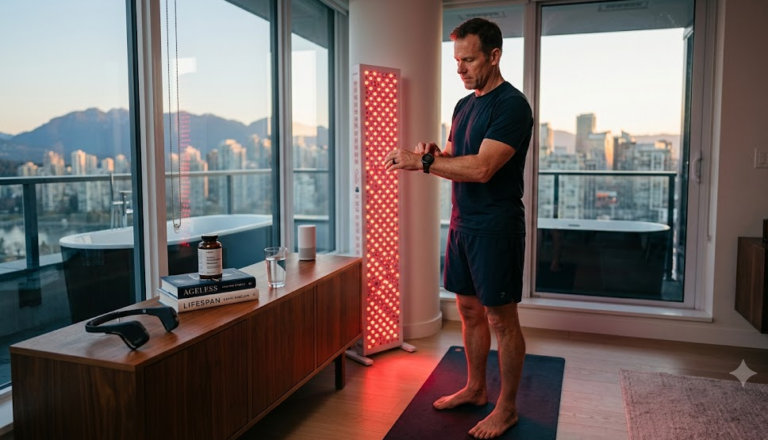
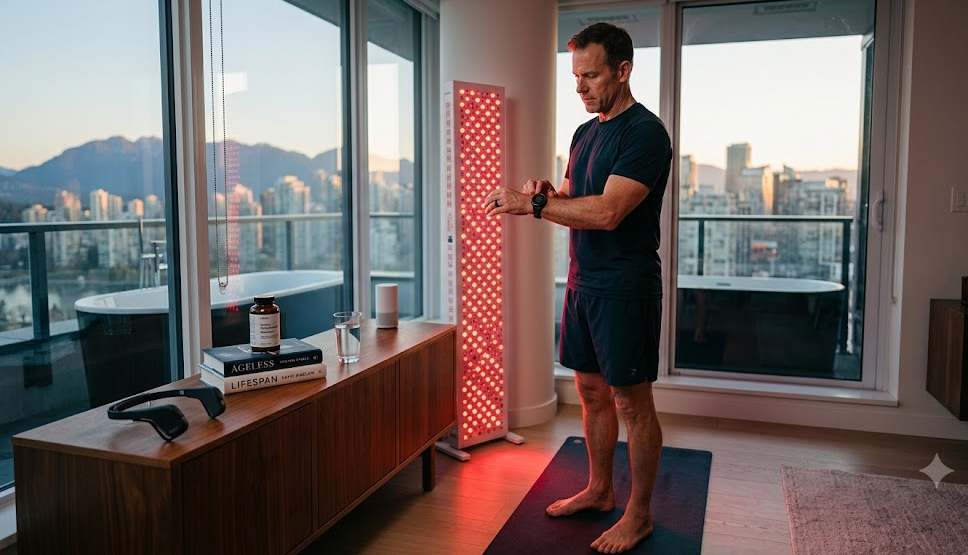
- Red Light Therapy: Panels emitting near-infrared light are bought in bulk for home use to regenerate skin and improve mitochondrial function.
- Wearable Tech: Devices like the Oura Ring, Whoop, or Apple Watch no longer just count steps. They analyze sleep phases, stress levels, and heart rate variability (HRV). If the device says you haven’t recovered, you literally change your plans for the day.
“A decade ago, people showed off their wealth with fast cars and expensive watches. Today, the ultimate status symbol in America is looking 10 years younger, having perfect sleep scores, and being in peak physical shape at 50.”
— Wired Magazine Analyst
The Longevity Business: The New Klondike
The obsession with youth has spawned an entirely new economy in the US and Canada.
- Longevity Clinics: These centers are popping up everywhere. Instead of treating disease, they focus on “preventative medicine.” Clients pay thousands of dollars for full genome sequencing and early cancer detection.
- IV Drips: Salons where you can go during your lunch break to get hooked up to an IV with vitamins, minerals, and NAD+ (a coenzyme crucial for cellular energy) are a massive hit among corporate workers.
What Do the Skeptics Say?
Of course, not everyone is thrilled. Leading scientists and doctors from Harvard and Stanford warn that much of this industry relies on aggressive marketing rather than solid scientific proof.
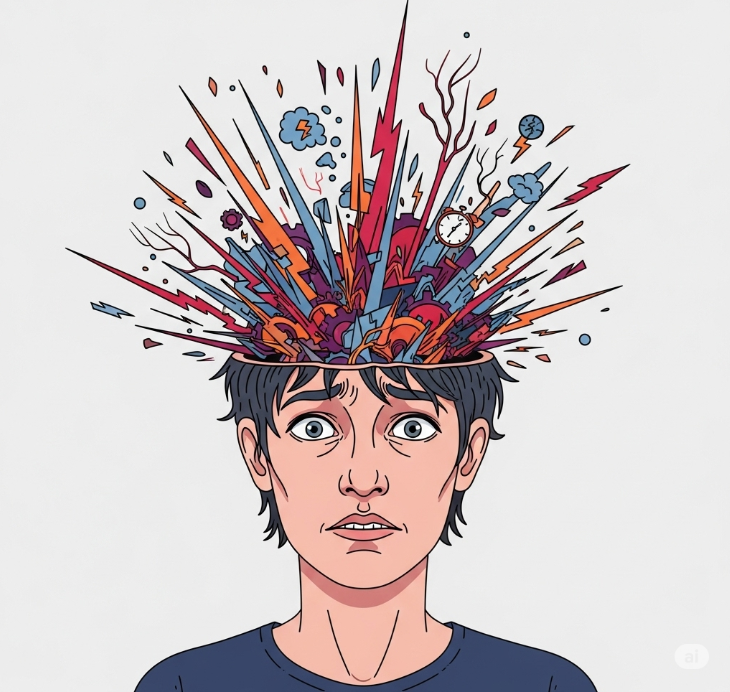
While moderate fasting, good sleep, and physical activity undoubtedly extend life, many expensive supplements and therapies lack proven long-term effects on humans. Critics also point out that this obsession creates a new form of anxiety—so-called “longevity orthorexia”—where people stress so much about living healthy that they actually harm their well-being.
In Conclusion
Whether this is a passing fad or the dawn of a new era in human evolution, one thing is certain: the quest for eternal youth is now an inseparable part of North American culture. In a world full of uncertainty, people seem to have found one thing they believe they can control—their own biology.
About the Author