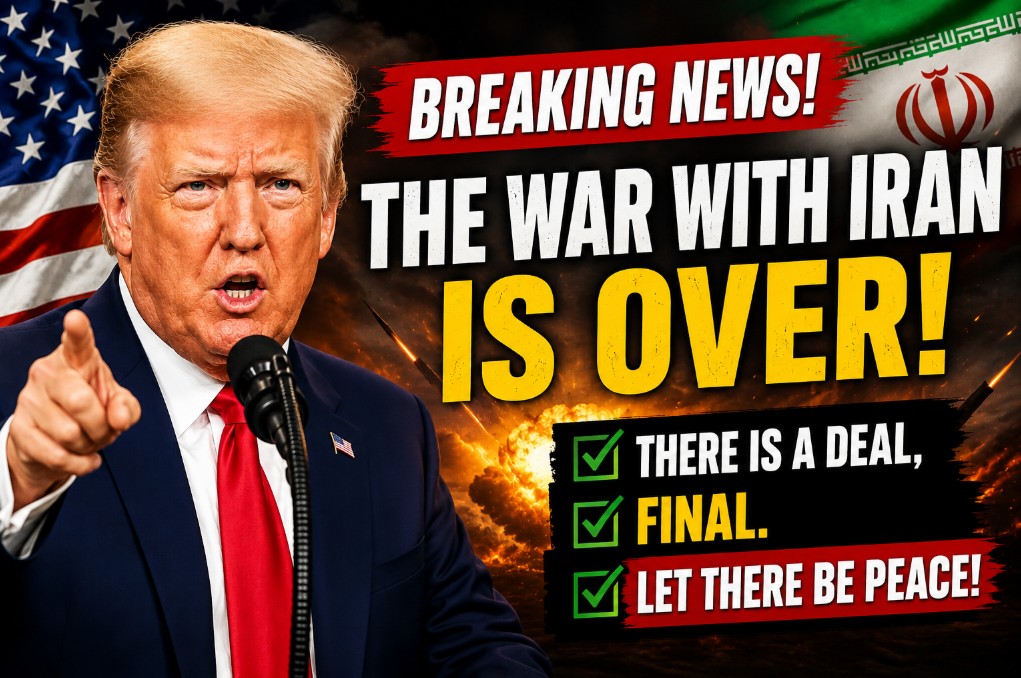
The war with Iran is Over
The guns have gone quiet. The ships are moving again. And Donald Trump is already calling it a win. But before America pops the champagne, it’s worth taking a hard look at what just happened — and what it cost the rest of the world.
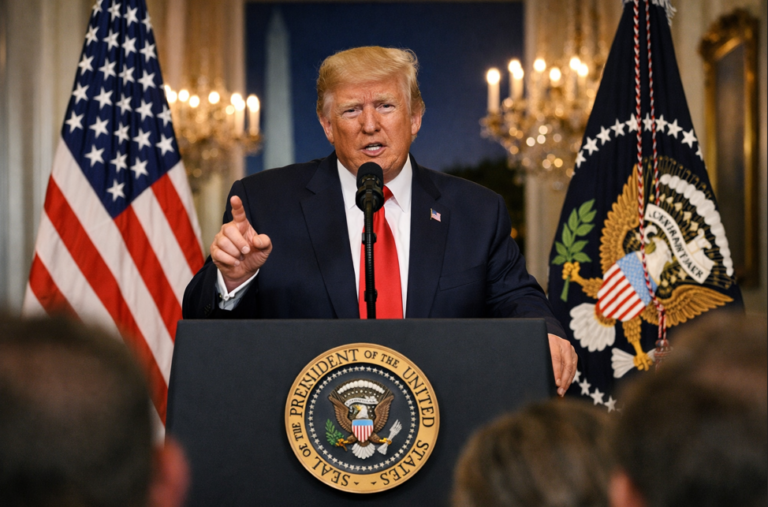
On June 14, 2026, President Trump posted what may be one of the most consequential social media messages in modern history:
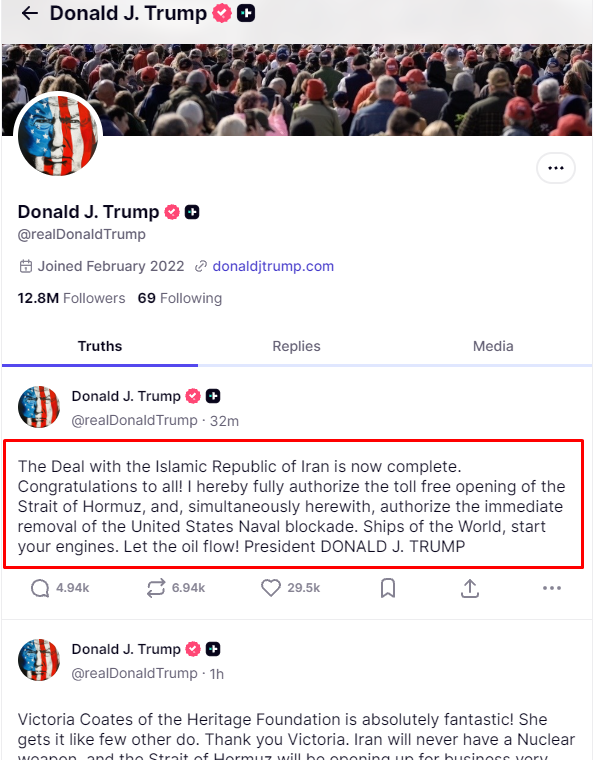
“The Deal with the Islamic Republic of Iran is now complete. Congratulations to all! I hereby fully authorize the toll free opening of the Strait of Hormuz, and, simultaneously herewith, authorize the immediate removal of the United States Naval blockade. Ships of the World, start your engines. Let the oil flow!” — President Donald J. Trump, Truth Social
It was pure Trump — theatrical, triumphant, and just ambiguous enough to leave everyone guessing. A signing ceremony in Switzerland was announced for June 19. Pakistani Prime Minister Shehbaz Sharif confirmed the deal, calling it “the immediate and permanent termination of military operations on all fronts.” Iran’s foreign minister confirmed talks. The world exhaled.
But let’s back up. Because the road that led here was anything but clean.
How It Started
On February 28, 2026, Israel and the United States launched a sweeping series of airstrikes against Iran — targeting its nuclear facilities, ballistic missile infrastructure, and key military command structures. Among the dead: Supreme Leader Ali Khamenei himself. Iran appointed his son Mojtaba as successor and immediately retaliated — missiles and drones rained down on Israel, on U.S. military bases across the Middle East, and on Gulf Arab allies.
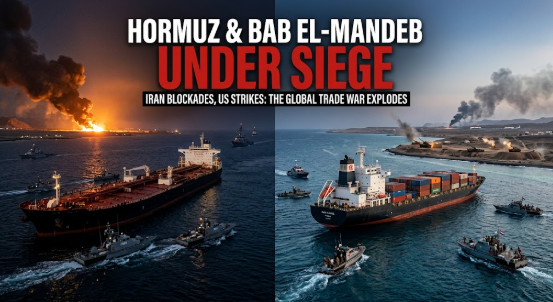
Then Iran did something that shook every stock market on the planet: it closed the Strait of Hormuz.
That 21-mile-wide chokepoint between Iran and Oman doesn’t look like much on a map. But roughly 20% of the world’s oil supply passes through it daily. Tankers carrying crude from Saudi Arabia, the UAE, Kuwait, and Iraq all funnel through that narrow passage. When Iran shut it down, the world felt it immediately.
The International Energy Agency called it the largest supply disruption in the history of the global oil market. Oil prices surged past $100 a barrel. Fuel shortages spread across parts of Asia. Global inflation, already fragile after years of post-COVID volatility, lurched upward. Stock markets tumbled worldwide.
Weeks of Fire, Threats, and Near-Catastrophe
For more than five weeks, the region burned. The conflict reopened the Israel-Hezbollah war in Lebanon, sending more than one-sixth of Lebanon’s population fleeing their homes. Thousands were killed in Iran. Dozens died in Israel and the Gulf states. Iranian missiles struck U.S. bases across the region.
Trump, characteristically, kept escalating the rhetoric. On the morning of April 7, he posted on social media that “a whole civilization will die tonight, never to be brought back again.” Hours later, he agreed to a two-week ceasefire brokered by Pakistan — but only after the Strait of Hormuz reopened.
It was a rollercoaster. The ceasefire wobbled within hours, with drone attacks reported from Gulf states and Iran threatening to close the strait again if Israel continued striking Lebanon. A second round of diplomacy, the Islamabad Talks, collapsed. The U.S. imposed a full naval blockade on Iranian ports beginning April 13. Iran tried to charge ships $1 million per vessel in “transit tolls.” The U.S. refused to accept it. Tensions crept back to the edge.
Then, slowly, painfully, a framework emerged. Over weeks of back-channel diplomacy through Pakistan and Oman, a memorandum of understanding took shape. A 60-day ceasefire extension. Mines cleared from the Strait. The U.S. blockade lifted. Iranian oil flowing again — with some sanctions waivers — in exchange for a halt on nuclear development talks. And on June 14, Trump pulled the trigger and called it done.
So Who Won?
This is where it gets complicated — and where the spin from both sides will be relentless for years.
The Trump White House will point to real achievements. Iran’s supreme leader is dead. Its nuclear program has been severely degraded. Its military infrastructure — built over decades — was pummeled. The Houthis, Hezbollah, and Iranian-backed militias across the region lost their main sponsor’s backing and firepower. The Strait of Hormuz is reopening toll-free, just as Washington demanded.
Iran’s new leadership, meanwhile, is quietly declaring its own kind of victory. Tehran survived. The Islamic Republic still exists. Iran’s foreign minister said the country’s “sword will remain poised over the Strait of Hormuz indefinitely.” And despite Trump’s demands for “unconditional surrender” — his words, in March — the final deal looks nothing like a surrender. It looks more like an exhausted mutual ceasefire between two sides that both wanted out.
The honest answer is that there are no clean winners in a war that lasted over three months, killed thousands, and cost the global economy over a trillion dollars.
The Bill Nobody Wanted
Here’s the part that gets lost in the victory laps and the geopolitical chess analysis: ordinary people around the world paid for this war with their wallets, their jobs, and their livelihoods — and most of them had absolutely nothing to do with it.
The Institute for Economics and Peace estimated that a resumption of full-scale war could have cost the global economy $2.2 trillion in a single year. Even under the most optimistic scenarios, global GDP losses in 2026 are estimated at around $1.3 trillion — roughly 0.6% of world output. That sounds modest until you remember that represents jobs not created, businesses that closed, and families that couldn’t afford to fill their gas tanks or heat their homes.
For the United States, the inflation story is ugly. The Federal Reserve had been on a cautious path toward rate cuts heading into 2026. That path was torched. Energy prices spiked. Gasoline costs at the pump hit levels not seen since 2022. Supply chains for fertilizers, petrochemicals, and consumer goods were disrupted for months. American families, already stretched thin by years of elevated prices, got hit again.
Egypt — to take one striking example — saw foreign investors pull around $6 billion from its markets within weeks of the conflict beginning. Its currency fell more than 8% against the dollar. An economy already dependent on Gulf remittances watched that income stream compress almost overnight.
Vietnam faced fuel shortages and panic buying at gas stations. Asian economies that depend heavily on Hormuz-routed oil scrambled to find alternatives. There were no good alternatives.
Global bond markets sold off. Interest rate decisions were thrown into chaos. And the longer-term damage — to trust in the Strait of Hormuz as a reliable trade route, to sovereign debt markets, to supply chain planning for petrochemicals and fertilizers — will feed through into 2027 and beyond.
Iran: A Nation Left in Ruins
Whatever you think of the Iranian regime, the human and economic toll inside the country is staggering. Thousands of civilians are dead. Military infrastructure across the country was decimated. The economy, already battered by years of U.S. sanctions, was projected by the World Bank back in October 2025 to shrink in both 2025 and 2026, with inflation potentially approaching 60%.
The war accelerated all of that. And now a new supreme leader — the son of the man killed in the first airstrikes — inherits a country that is wounded, internationally isolated, and sitting across the table from a United States that holds most of the leverage in whatever comes next.
What Comes Next
The deal announced on June 14 is, at its core, a pause. A 60-day window. The hard questions haven’t been answered — they’ve been scheduled.
Iran’s nuclear program. The fate of Hezbollah. The future of Iranian influence in Iraq, Syria, and Yemen. The question of permanent sanctions relief. The question of whether the Strait of Hormuz will ever feel truly safe to the world’s shipping companies and insurers again.
A signing ceremony in Switzerland on June 19 will make it official. But the shape of whatever comes after — whether this is the beginning of a new Middle East order or just another fragile pause before the next eruption — won’t be known for months or years.
What we know right now is this: a war that nobody really wanted, that started on February 28, 2026, and burned through the spring, officially came to an end with a Truth Social post and a presidential order to “let the oil flow.”
History will decide whether that’s a triumph or just a timeout.
The signing ceremony between the United States and Iran is expected to take place in Geneva, Switzerland, on June 19, 2026.
About the Author